David Lorenz · 13 October 2026
Anonymous Community Feedback Loops and Their Impact on Independent Site Evolution in Dynamic Online Environments
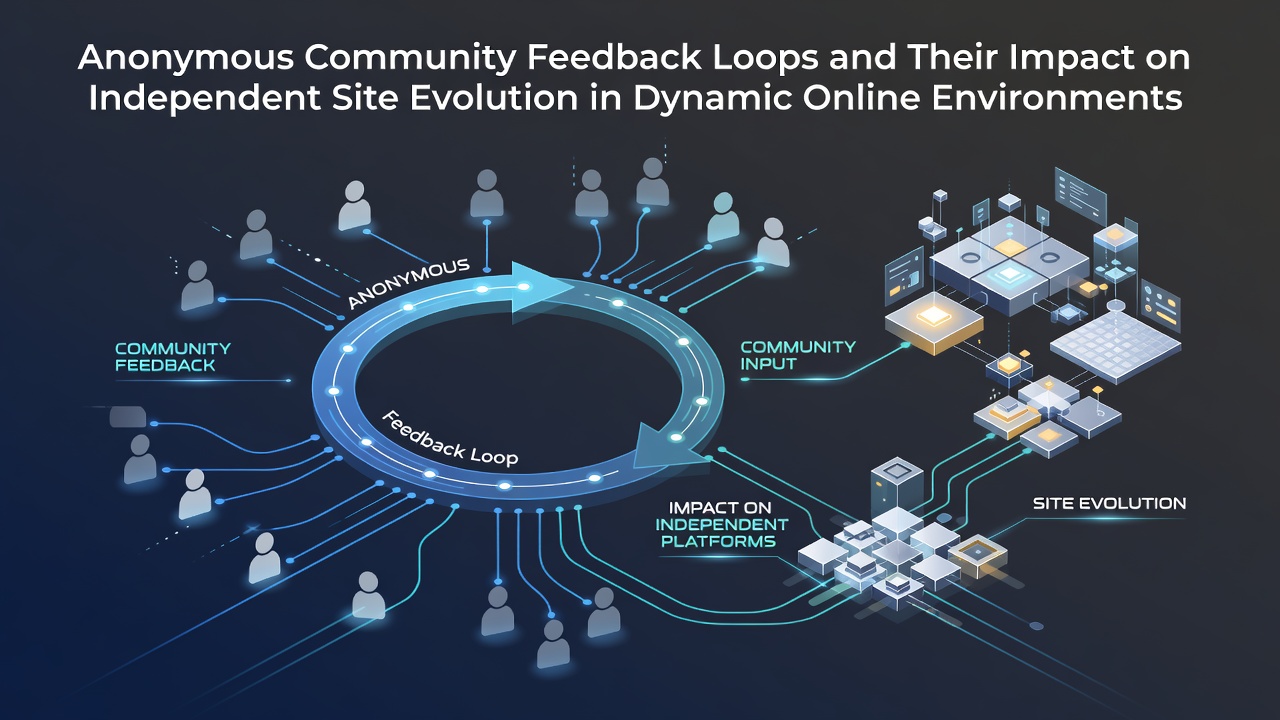
Independent websites have long relied on anonymous community feedback loops to guide adjustments in content, features, and overall structure, and these mechanisms operate through untraceable comments, polls, and suggestion boards that allow users to share input without revealing identities. Researchers have documented how such loops accelerate changes on smaller platforms where operators lack extensive analytics teams, because direct signals from visitors reach decision makers quickly and prompt iterative updates without requiring formal surveys.
Mechanics of Anonymous Input Collection
Operators collect this type of feedback via embedded forms that strip identifying data, dedicated threads on external forums, and temporary voting tools that reset after each cycle, and the process creates closed circuits where responses shape the next round of site modifications. Data from digital participation studies indicate that sites using these methods experience faster iteration rates compared with those depending solely on logged-in user accounts, since anonymity reduces barriers to participation and increases volume of contributions. In October 2026 figures released by the OECD showed rising adoption of privacy-preserving feedback tools among independent operators across multiple regions, as regulatory pressures on data collection encouraged alternatives that still capture community sentiment.
Adaptation Patterns Observed Across Platforms
Site owners respond to aggregated anonymous signals by altering navigation menus, expanding topic coverage, or introducing new sections, and these adjustments often follow patterns where recurring suggestions gain priority over one-off comments. Observers note that independent properties in competitive niches refine their offerings through repeated cycles, with each loop revealing preferences that logged metrics alone might miss, because qualitative notes accompany quantitative votes. One documented case involved a niche resource hub that restructured its resource library after multiple anonymous threads highlighted navigation friction, resulting in measurable increases in session duration according to internal logs shared in industry reports.

Interactions With Algorithmic and Market Shifts
Dynamic online environments introduce frequent changes in search rankings, platform policies, and user migration trends, and anonymous feedback loops help independent operators detect emerging needs before broader data sets reflect them. Studies from research institutions such as those affiliated with Pew Research Center have tracked how smaller sites that incorporate unfiltered community input maintain relevance during traffic fluctuations, whereas sites without such channels show slower recovery. The loops function as early warning systems, surfacing complaints about load times or content gaps that external search data might register only after rankings drop, and operators integrate these insights into content calendars to align with shifting audience expectations.
Geographic and Sector Variations in Implementation
Implementation differs by region and topic focus, with European independent sites more frequently adopting encrypted anonymous channels due to stricter privacy rules, while North American and Australian operators combine open forums with backend filtering to manage volume. Trade analyses reveal that educational and informational sites benefit most from these loops because readers provide detailed suggestions on topic depth and format, and the resulting evolutions include added glossaries, downloadable guides, and community-curated link collections. Figures released by Statistics Canada on digital content consumption underscore that sites responsive to anonymous input retain higher repeat visit rates, as users perceive their contributions as valued even without direct attribution.
Long-Term Effects on Site Resilience
Over multiple cycles, anonymous feedback contributes to structural resilience by distributing decision input beyond a single operator, and this distribution reduces risk when key personnel change or external conditions shift rapidly. Independent sites that maintain transparent summaries of received feedback, even when sources remain hidden, demonstrate continued community engagement during algorithm updates, because participants see evidence that their input influences outcomes. Research papers examining platform governance note parallel outcomes in open-source projects where anonymous issue reports guide feature roadmaps, suggesting transferable principles for commercial independent sites seeking similar adaptability without centralized moderation teams.
Conclusion
Anonymous community feedback loops continue to shape how independent sites respond to evolving conditions, supplying raw signals that complement automated analytics and formal research. Operators who integrate these loops into regular workflows record measurable adaptations in structure and scope, and the practice persists across sectors because it scales with limited resources while capturing perspectives that might otherwise remain invisible. As online environments keep changing, the documented role of these mechanisms in supporting incremental evolution remains consistent across available data sets from international and regional sources.